
Eight years of solo travel across Europe has taught me one thing about budgeting: the gap between the most expensive and cheapest countries on this continent is staggering. You can blow €250 in a single day in Switzerland or stretch €60 comfortably across an entire day in Albania. Knowing which countries cost what — and the tricks that make each one more affordable — is the difference between a trip that empties your account and one that leaves money for the next adventure.
This is my updated guide to travel costs in Europe by country in 2026, built from firsthand experience visiting most of these places myself, multiple times, across different budgets.
Post updated July 2026.

How to use this guide
All costs are approximate daily averages per person, covering accommodation, food, transport, and activities at a mid-range level. You can spend less by choosing hostels over hotels and cooking some meals yourself, or significantly more by going upmarket. Prices have increased across Europe since 2020 — post-COVID travel inflation, higher accommodation costs, and energy price rises have pushed daily budgets up roughly 25–35% from pre-pandemic figures. These estimates reflect 2026 realities.

The most Expensive Countries in Europe
Switzerland — €230–280/day
Switzerland has always been expensive and shows no sign of changing. The Swiss franc is strong, accommodation costs are among the highest in Europe, and even a coffee in Geneva can make you wince. That said, it’s extraordinary — the Alps, the lakes, the trains that run like clockwork. The key is keeping your stay short and sharp, or finding someone to stay with.
Money-saving tips: Switzerland rewards a focused itinerary. Pick one or two regions (Bern and the Bernese Oberland, or Zurich and Lucerne) rather than crossing the whole country. Take trains between cities rather than renting a car. Supermarkets like Migros and Coop are very good and significantly cheaper than restaurants for lunches. If you’re visiting from France or Italy, consider day trips into Switzerland rather than overnighting there.
Denmark — €190–225/day
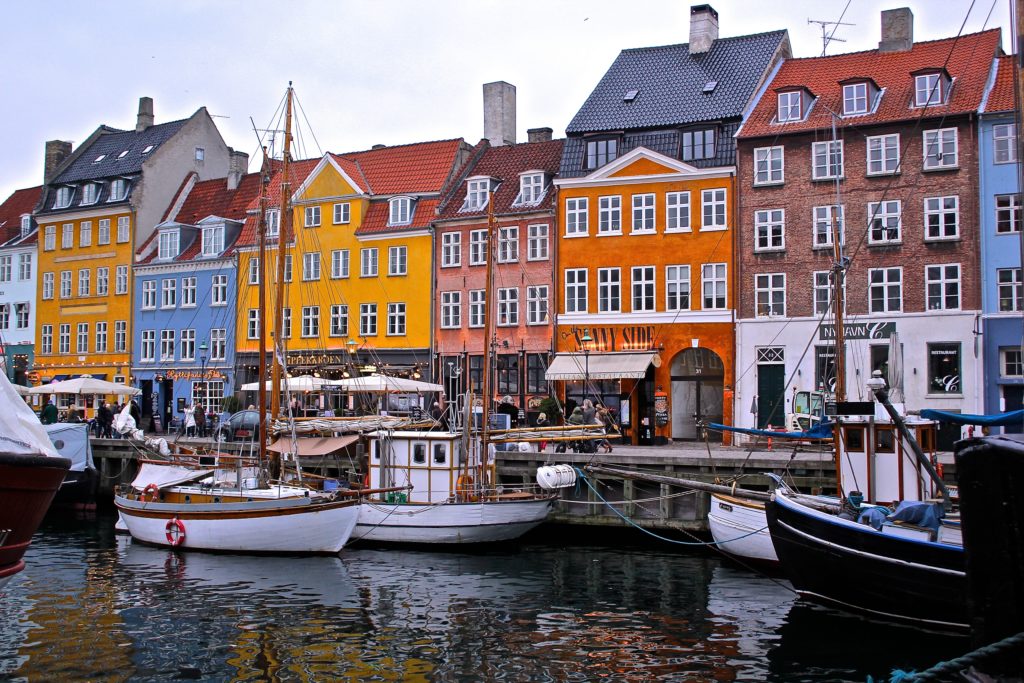
Copenhagen is consistently one of the most expensive cities in Europe to visit, and Denmark beyond the capital doesn’t offer much relief. What it does offer is exceptional quality — the food scene is world-class, the design is everywhere, and the standard of living is genuinely among the best on earth. I’ve visited twice in winter and both times simply accepted that it was going to cost more than almost anywhere else I’d been.
Money-saving tips: Stay in the Nørrebro or Vesterbro neighbourhoods rather than the city centre — accommodation is cheaper and the vibe is better anyway. Copenhagen’s street food markets (Reffen and Torvehallerne) are both affordable and excellent. Many of the city’s best experiences — cycling, the waterfront, the parks, Nyhavn — are free. Skip the restaurants at dinner and eat where locals eat: smørrebrød (open sandwiches) from a bakery is both authentic and cheap.

Iceland — €170–215/day
Iceland is expensive in very specific ways: accommodation costs are high, petrol for a road trip adds up quickly, and entrance fees at some natural attractions have increased significantly in recent years. But the experience is so far outside anything else in Europe that most people who’ve done it consider it worth every cent. The flight often makes Iceland accessible as a stopover, which is genuinely one of the best travel hacks for seeing the country without paying full-trip prices.
Money-saving tips: A road trip with one other person is the single most effective way to reduce Iceland costs — you split petrol, accommodation, and car hire. Self-catering accommodation (guesthouses with kitchens) cuts food costs dramatically. Visit in shoulder season (May or September–October) when prices drop and the landscapes are still magnificent. Many of Iceland’s best experiences — the Westfjords, the interior, the Snæfellsnes Peninsula — are less visited and more affordable than the Golden Circle hotspots.
United Kingdom
Daily cost: €127.40
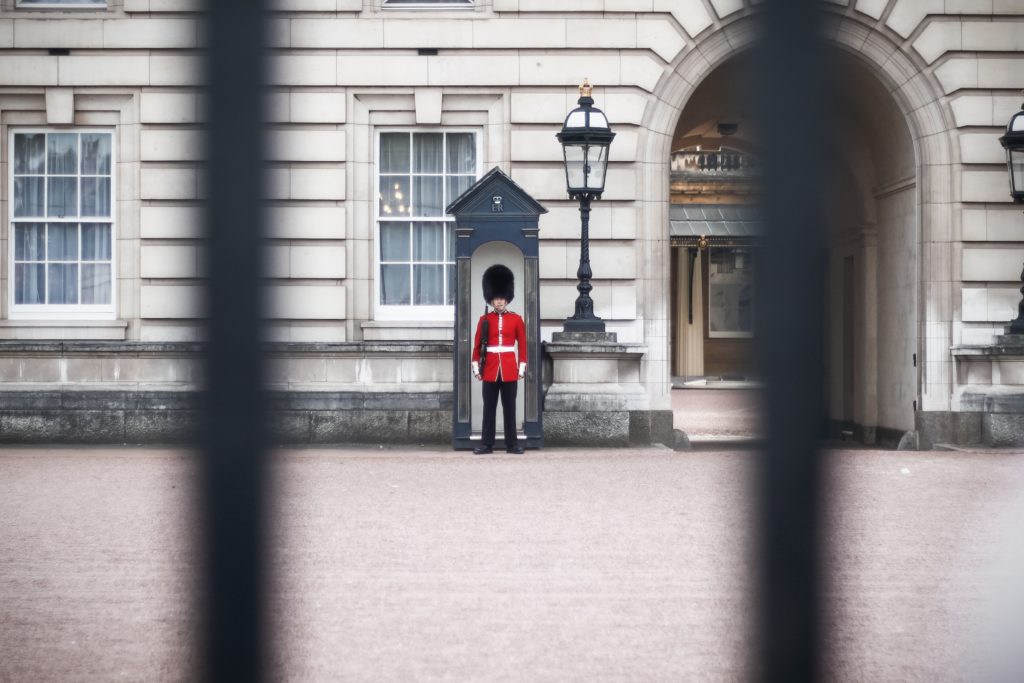
When you visit Europe for the first time it is highly likely London will be on your agenda. And for good reason! This iconic city is year after year the most visited city in the world. The main expense when visiting the United Kingdom is accommodation. It doesn’t help that the pound always performs favourably to most other world currencies.
Tips for budgeting:
Waitrose and Sainsbury’s are your friend. You can grab a quick sandwich snack to eat on the go and skip the expensive restaurants. Many if London’s museums are free, as are the parks and just walking around Soho will fill an entire day of entertainment. Other cities outside of London are much more affordable to visit.
France — €175–220/day
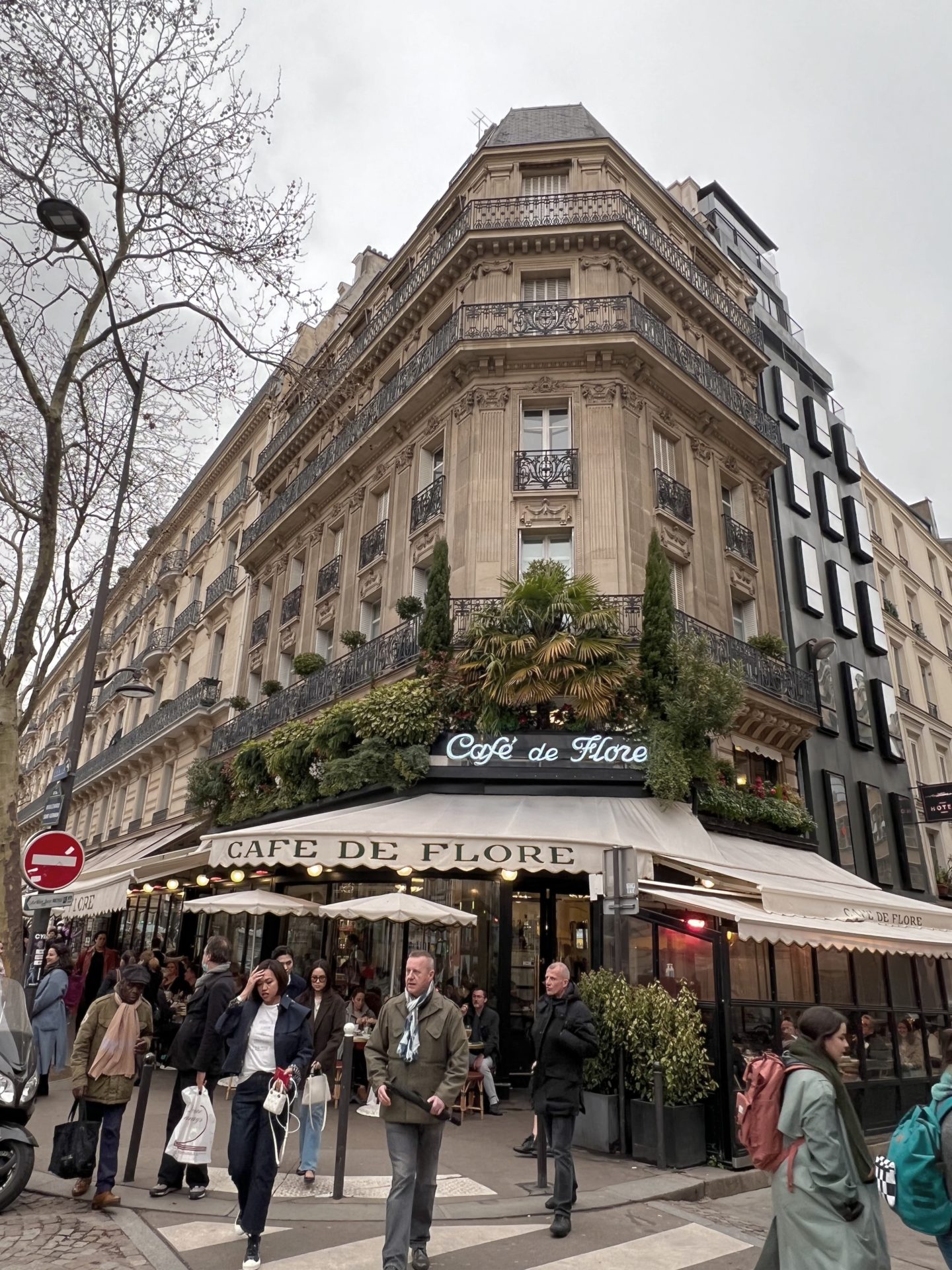
France is expensive primarily because of Paris, which inflates the national average considerably. Outside the capital — in Provence, the Loire Valley, Bordeaux, Lyon, or the French Riviera — the daily cost drops substantially, and the quality of life is extraordinary. The food remains one of France’s great bargains if you eat where locals eat: a set lunch menu (the plat du jour) in almost any French brasserie is exceptional value.
Money-saving tips: Paris’s Latin Quarter has some of the best-value restaurants in the city — avoid the tourist-facing restaurants around Notre-Dame and the Champs-Élysées entirely. Accommodation in central Paris is expensive; look at the 10th and 11th arrondissements for better value without sacrificing access. If your trip is primarily France rather than just Paris, the daily cost drops significantly once you leave the capital.
Read more: 20 Incredible Places to Visit in France
Mid-Range: Expensive But Worth It
Italy — €135–170/day
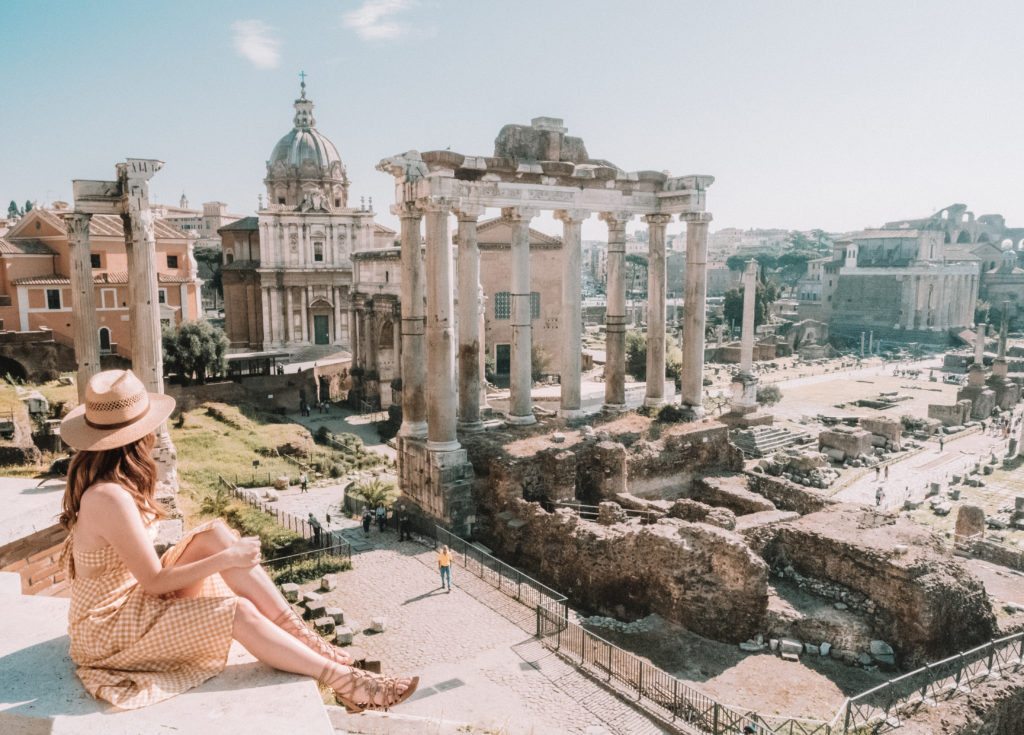
Italy’s daily cost surprises people because the food is so affordable — a glass of house wine and a bowl of pasta in most cities genuinely doesn’t cost much. Where it adds up is accommodation in the major cities and transport between them. Venice and Florence are the most expensive; Rome falls in the middle; the south and the islands are significantly cheaper.
Money-saving tips: The best Italy budget hack: stay in smaller towns and day-trip to the famous cities. Stay in Lucca instead of Florence (30 minutes by train). Stay in Padua instead of Venice (20 minutes by train). Stay in Orvieto instead of Rome. You get the experience without the inflated accommodation costs, and you discover somewhere most tourists never see.
Read more: The Best Kept Secrets in Italy
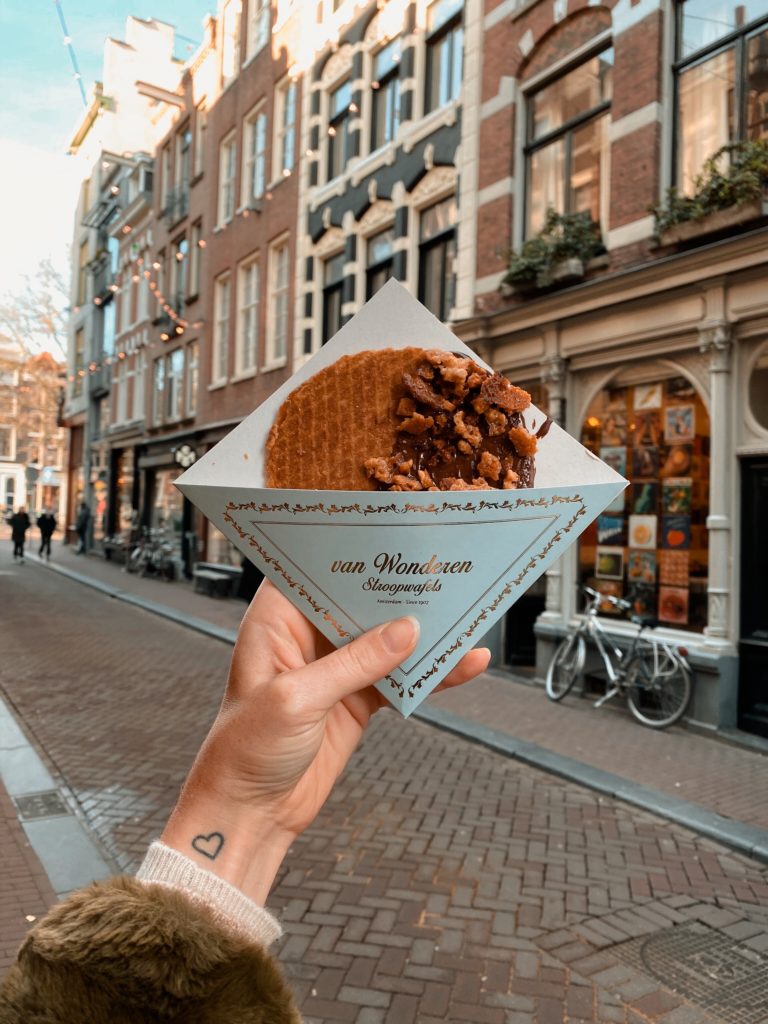
Netherlands — €135–165/day
Amsterdam sits at the expensive end of the Netherlands spectrum. Other cities — Utrecht, Haarlem, Delft, Leiden — are significantly more affordable and worth visiting in their own right. The Netherlands as a whole is excellent value if you use its outstanding train network to explore beyond Amsterdam.
Money-saving tips: Dutch street food (herring, stroopwafels, fries with sauce) is both iconic and cheap. Cycling is free if you bring your own or find a hostel that lends them. The Museumkaart, which gives unlimited access to 400+ Dutch museums for a single fee, is excellent value if you plan to visit more than two or three.
Read more: 7 Cities & Towns you Must Visit in the Netherlands
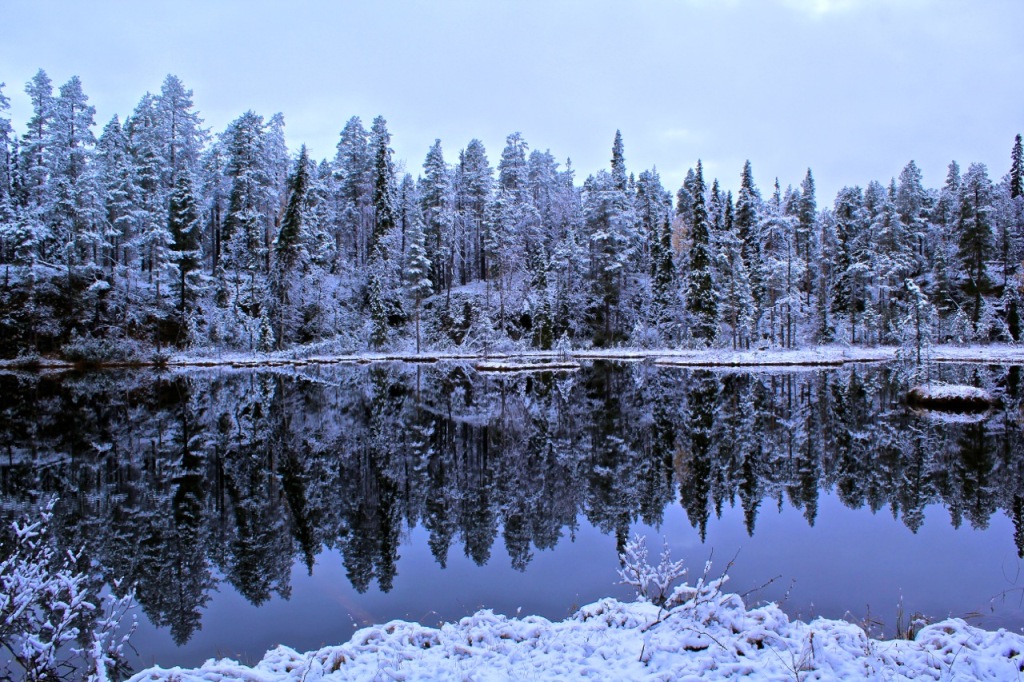
Finland — €130–160/day
Helsinki is Finland’s expensive centrepiece, but the country’s greatest appeal — the lakes, the forests, the sauna culture, the silence — is found beyond the capital, and costs less. Staying with a local family or in a countryside cottage is both cheaper and more authentic than central Helsinki hotels.
Money-saving tips: Helsinki’s Market Square and Hakaniemi Market are great for affordable local food. The Finnish sauna experience — genuinely central to the culture — is often free or very cheap at public saunas. Outside Helsinki, accommodation is significantly cheaper and the country is more rewarding.
Read more: Exploring Finland: Hiking and Canoeing in Oulanka National Park
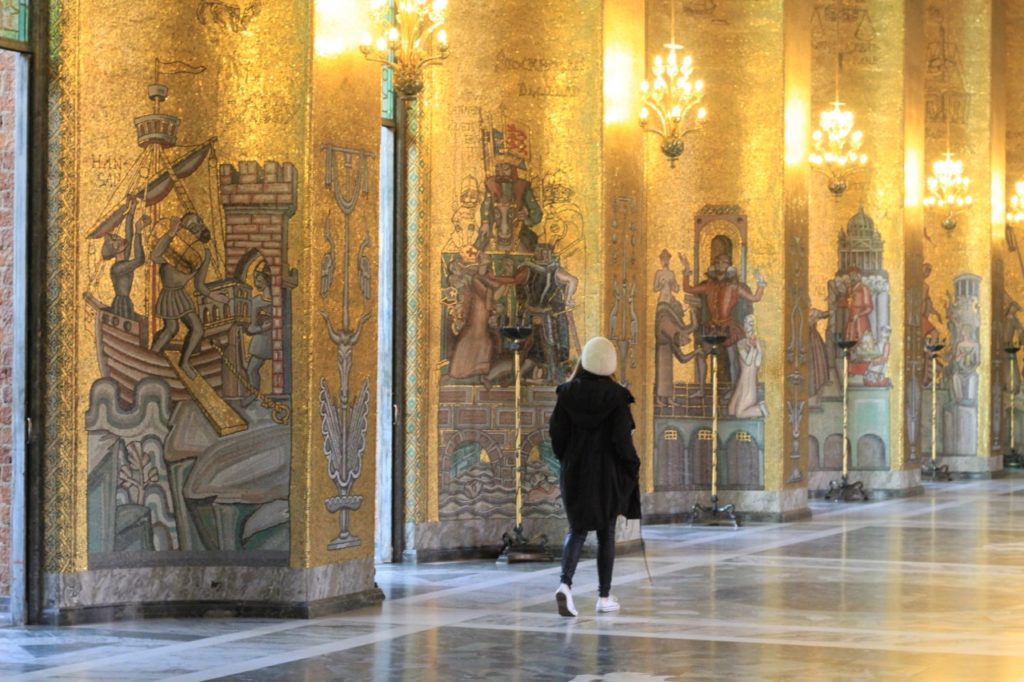
Sweden — €130–165/day
Stockholm is the expensive part of Sweden. Beyond the capital, costs drop noticeably. Sweden’s outdoor culture — and the law of Allemansrätten, which gives everyone the right to access nature freely — means some of the country’s best experiences cost nothing at all.
Money-saving tips: The SL travel card covers Stockholm’s metro, trams, and buses on a day-pass basis and is genuinely useful. Lunch is the most affordable restaurant meal in Sweden — the dagensrätt (daily lunch special) is a Swedish institution and excellent value. Self-catering accommodation outside Stockholm cuts costs dramatically.
Somewhere in the Middle
Spain — €105–140/day
Spain is one of Europe’s best-value mid-range destinations. The food and wine are exceptional and genuinely affordable outside the major cities; Barcelona and Madrid are the expensive exceptions. Spain’s free tapas culture in cities like Seville and Granada (where tapas come with every drink) is one of travel’s great small pleasures.
Money-saving tips: Head south. Seville, Granada, and the Andalusian towns are significantly cheaper than Barcelona or Madrid and arguably more characteristically Spanish. The menú del día — a set two-course lunch with wine — is available in most Spanish restaurants for €10–15 and is consistently excellent.
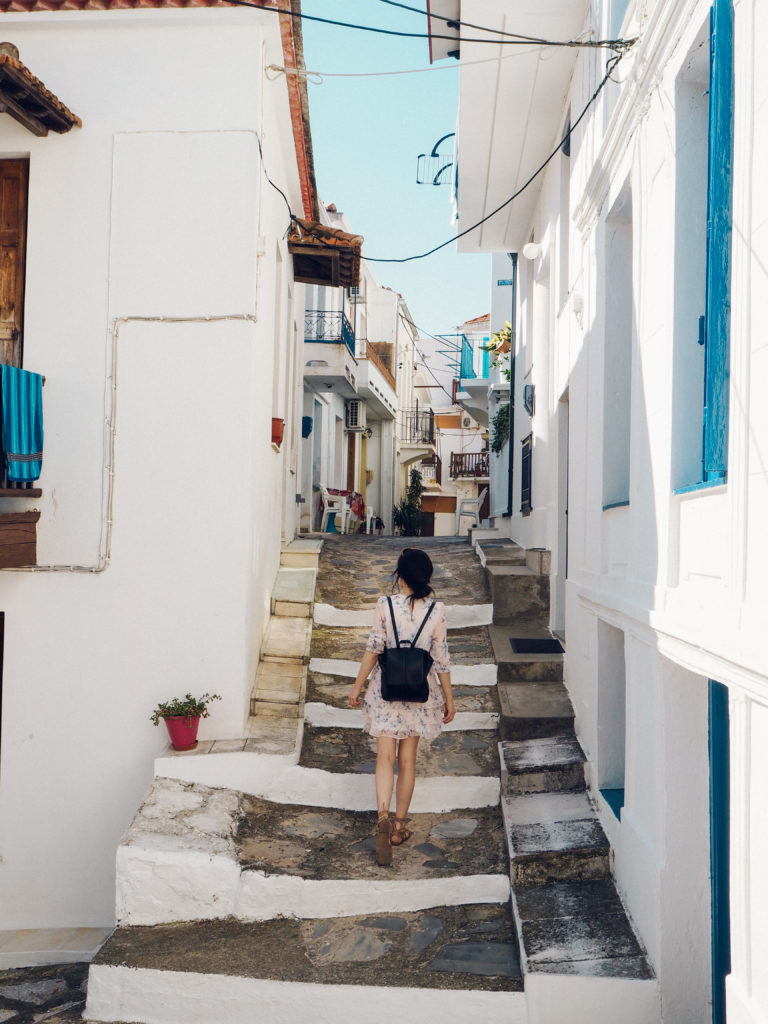
Greece — €100–135/day
Greece’s cost depends enormously on where you go. The Cyclades islands (Santorini, Mykonos) are expensive; the Ionian islands and the mainland are considerably cheaper. Athens itself is good value for a European capital. The secret to an affordable Greek trip is taking the local ferry network rather than flying between islands — slower, but dramatically cheaper.
Money-saving tips: Visit in May or October rather than July–August: the weather is still excellent, the crowds are smaller, and accommodation is 30–40% cheaper. The local ferry (not the high-speed catamaran) between islands is a fraction of the cost of flying. Greek tavernas away from the tourist waterfront serve the same food for half the price.

Ireland — €125–160/day
Ireland is not the budget destination it once was — Dublin in particular has become expensive, with accommodation costs that rival London. Outside Dublin, the country is more affordable and far more beautiful: the Wild Atlantic Way, the Aran Islands, the Dingle Peninsula. Ireland is made for a road trip, and the further you get from the capital, the better it gets.
Money-saving tips: Rent a car and leave Dublin as quickly as possible. A self-drive through Connemara or Kerry costs far less per day than staying in Dublin, and the scenery is incomparably better. The Irish pub is genuinely the social centre of rural Ireland and not always expensive — a pint and a conversation is a legitimate evening’s entertainment.
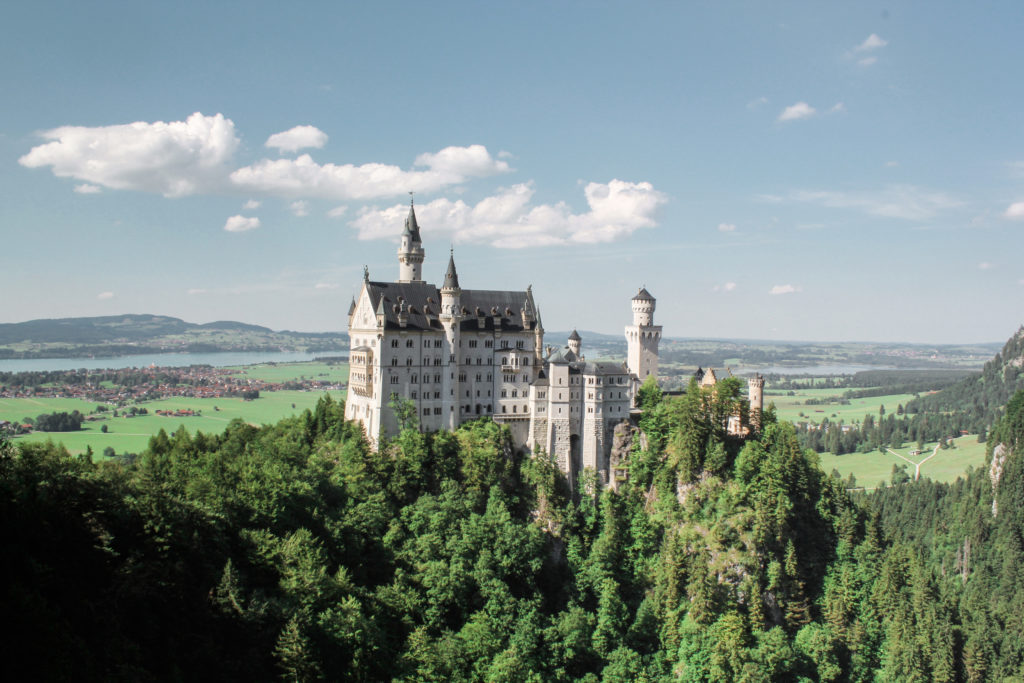
Germany — €110–145/day
Germany is one of Europe’s best-connected countries, and its train network makes it ideal for a multi-city trip without a car. Berlin is the best-value of the major German cities; Munich is significantly more expensive, particularly during Oktoberfest. The German countryside — Bavaria, the Rhine Valley, the Black Forest — is beautiful and affordable.
Money-saving tips: Germany’s Christmas markets (November–December) are among Europe’s best and largely free to wander. Berlin has an extraordinary culture of free and affordable entertainment — street art, parks, markets. The weekly Wochenmarkt (farmer’s market) in most German cities is excellent for a cheap, high-quality lunch.
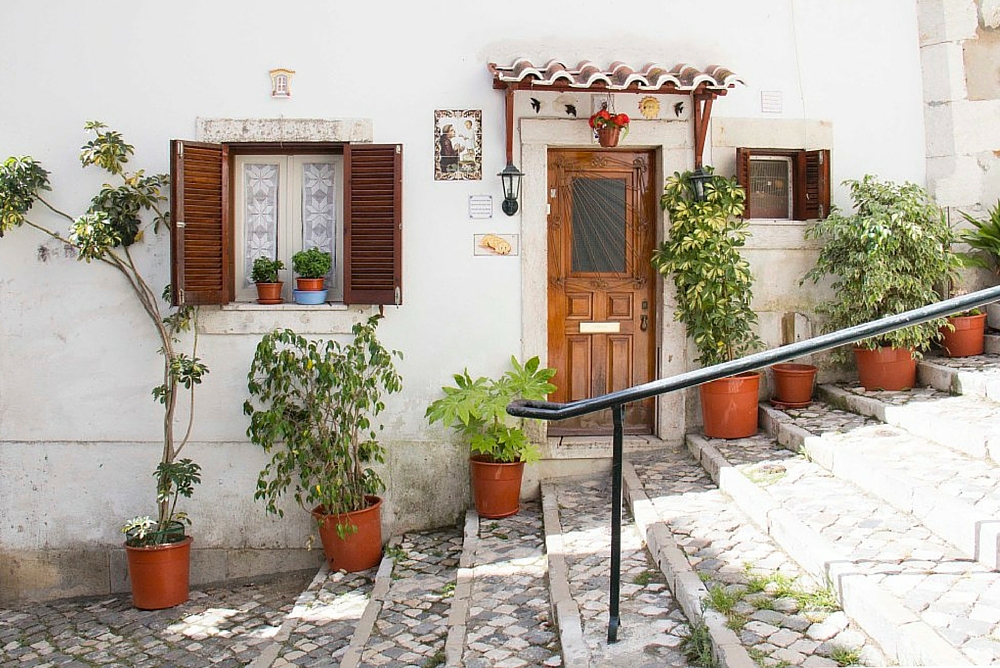
The Most Affordable Countries in Europe
Portugal — €85–115/day
Portugal — particularly Lisbon and Porto — has become more expensive over the past five years as tourism has surged, but it remains significantly cheaper than most of Western Europe and outstanding value for what it offers. The Alentejo and Algarve regions are cheaper again, and the food and wine are excellent at every price point.
Money-saving tips: Porto is cheaper than Lisbon and arguably more beautiful. The Douro Valley wine region is one of Europe’s great scenic drives and very affordable to explore. Portugal’s pastelarias (pastry shops) serve the best breakfast in Europe for €2–3.
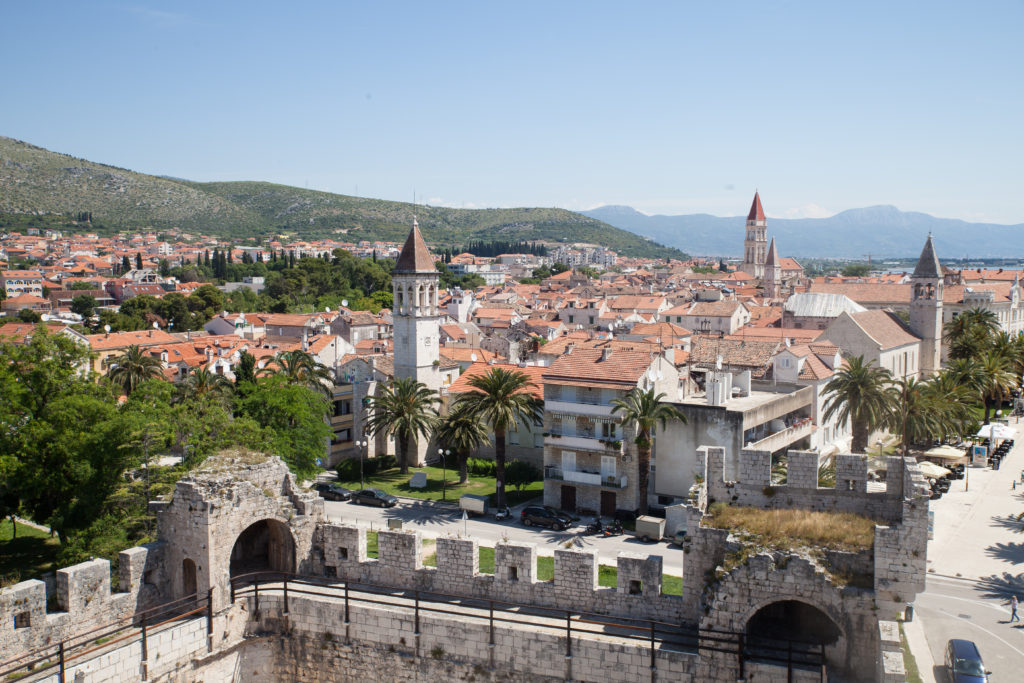
Croatia — €90–120/day
Croatia has risen in price significantly over the last decade as Dubrovnik became one of Europe’s most famous destinations. Beyond Dubrovnik — on the Dalmatian coast, the islands, Istria — it remains very good value and extraordinarily beautiful.
Money-saving tips: Avoid Dubrovnik in peak season if budget is a priority. Split is a more affordable base for exploring the Dalmatian coast. Local ferries between islands are cheap and excellent.

Czech Republic — €80–100/day
Prague is a masterpiece of a city and still one of the best value capital cities in Europe for Western visitors. The Czech crown means your euro or Australian dollar goes significantly further here than in neighbouring Austria or Germany.
Money-saving tips: Prague is genuinely walkable — most attractions in the centre can be reached on foot, which saves on transport. Czech beer is famously cheap and the local food (svíčková, goulash, trdelník) is excellent value. Day trips from Prague to Český Krumlov or Kutná Hora cost very little and are genuinely outstanding.
Read more: The Best of Prague: A Prague Walking Guide
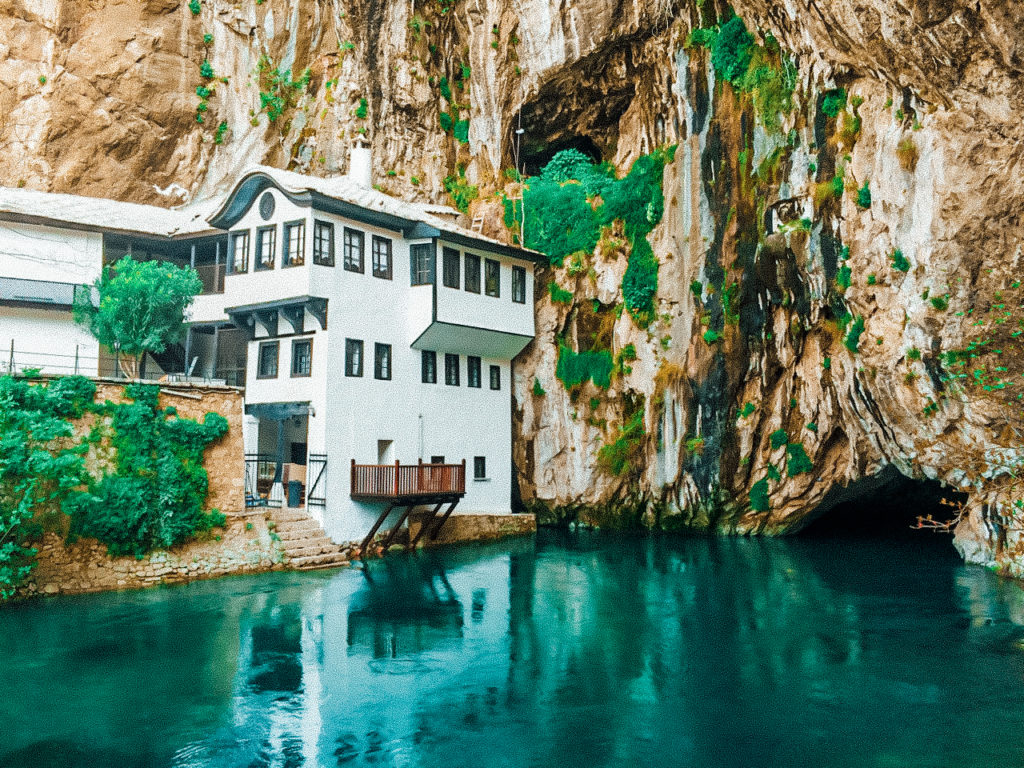
Bosnia & Herzegovina — €55–75/day
Bosnia and Herzegovina remains one of the most underrated countries in Europe. Mostar — with its famous reconstructed bridge and Ottoman-era old town — is genuinely one of the most beautiful small cities I’ve visited anywhere. Sarajevo is a city unlike anywhere else in Europe: the confluence of Ottoman, Austro-Hungarian, and Yugoslav histories in a single compact city is remarkable, and the locals are among the warmest and most welcoming I’ve encountered on the continent.
Money-saving tips: Accommodation is very affordable throughout the country. Local guesthouses (sobe) offer home-cooked breakfasts and a genuine insight into Bosnian family life. Street food — especially ćevapi, the national dish — is excellent, ubiquitous, and extremely cheap.
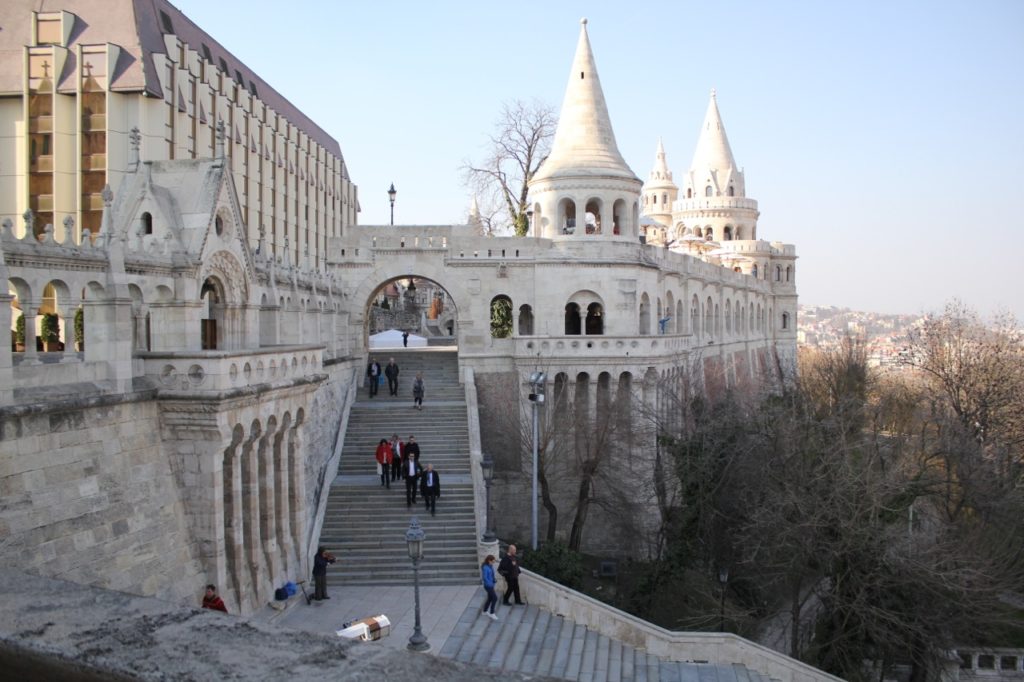
Hungary — €70–90/day
Budapest has become one of Europe’s most popular destinations, but it remains affordable by Western standards. The thermal bath culture is a Budapest institution and many of the famous baths are very reasonably priced. Accommodation is plentiful and competitive in price.
Money-saving tips: The ruin bars of the Jewish Quarter are an iconic Budapest experience and drinks are cheap by Western European standards. The Central Market Hall is excellent for affordable local food. A combined tram/metro day pass is very affordable and covers the whole city.
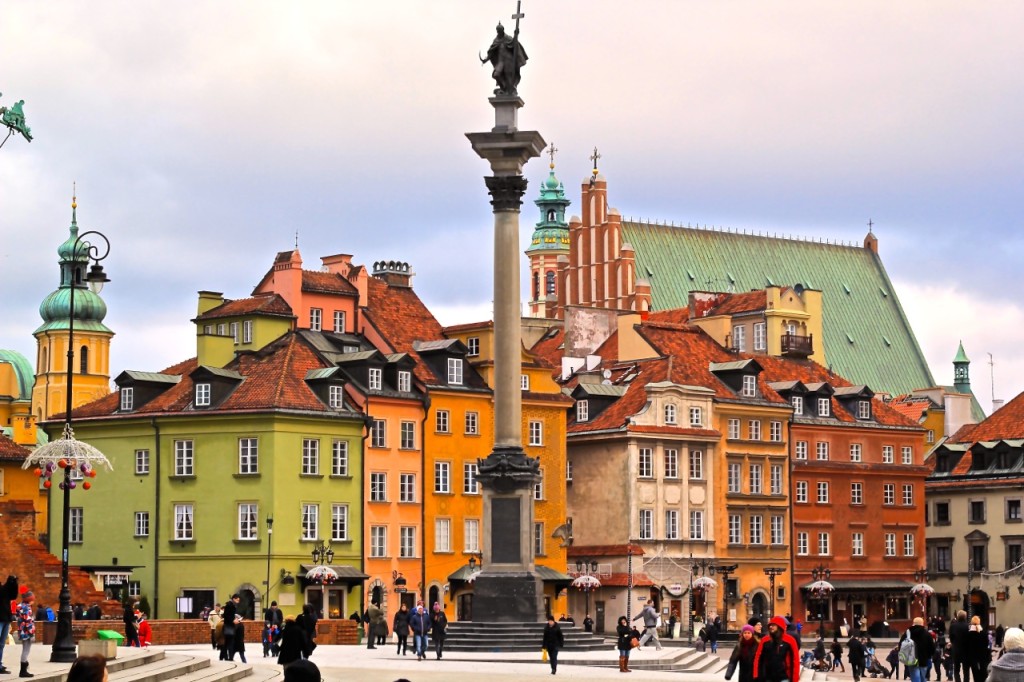
Poland — €65–85/day
Poland is consistently underestimated by first-time European visitors, and those who make it there are almost always glad they did. Warsaw has an extraordinary history embedded in its architecture; Kraków is one of Europe’s most beautiful old cities; the Tatra Mountains and the Masurian Lakes offer world-class outdoor experiences at a fraction of the cost of Alpine equivalents.
Money-saving tips: Poland’s milk bars (Bar Mleczny) are a communist-era institution still operating in most Polish cities — simple, home-style Polish food at extremely low prices. Inter-city trains in Poland are cheap and reliable. Kraków is the most visited city after Warsaw; Wrocław and Gdańsk are equally beautiful and less crowded.
For more of my adventures, follow along on Instagram.

Brooke Saward founded World of Wanderlust as a place to share inspiration from her travels and to inspire others to see our world. She now divides her time between adventures abroad and adventures in the kitchen, with a particular weakness for French pastries.
