
Booked a solo trip to Marrakech, or still talking yourself in and out of one? Marrakech is one of the most rewarding cities in the world to explore alone, sensory, chaotic in the best way, and genuinely welcoming once you know a few basics going in. Here’s everything you actually need to know before you go, from where to stay to how to handle the souks.
Getting into the city
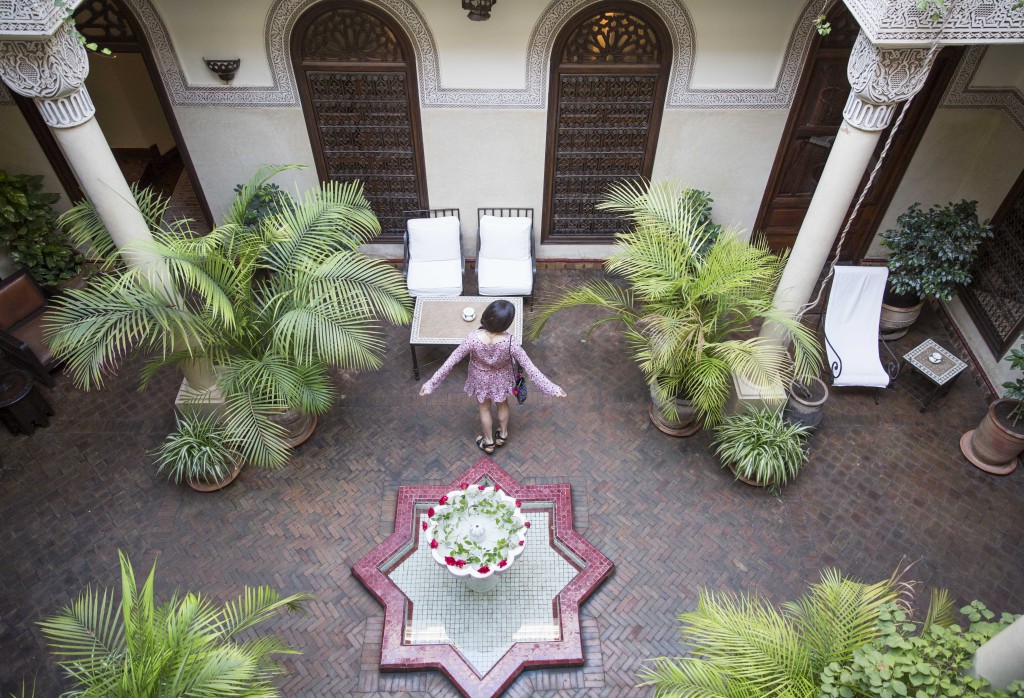
You’ll land feeling like you’ve stepped into a different sensory world entirely. The drive from Marrakech Menara Airport into the city centre is a short one, around 12 minutes by taxi, so a metered taxi is a relatively affordable and easy option if you’d rather sort transport once you land. If you’d feel more comfortable having something arranged in advance, a private car transfer costs more but means a driver is waiting for you the moment you clear arrivals, which is worth the extra cost for a lot of solo travellers on a first visit.
Where to stay in Marrakech as a solo traveller
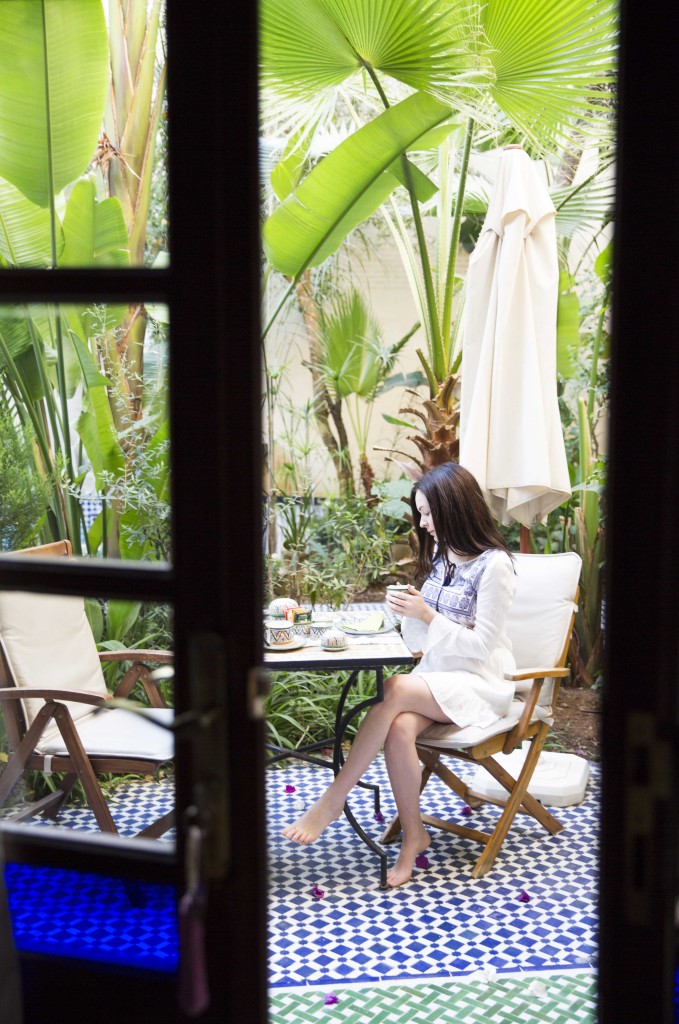
The medina is full of beautiful riads that give you a genuinely local experience, and more than a few have been the highlight of my trip in their own right. These are consistently good, budget-friendly options for solo travellers (verify current rates before booking, as prices shift over time):
Riad Katia — one of the best-located riads for solo travellers, just a couple of minutes on foot from Jemaa el-Fnaa.
Riad Laly — the classic budget pick for solo travellers who want something inexpensive that still feels local and safe, right in the heart of the medina.
Riad Mur Akush — on the higher end of the budget scale, set inside a beautifully renovated old home, with each room carrying its own distinct character.
Riad Rodamon — part hostel, part hotel, with both shared and private rooms. The best choice on this list if you want to actually meet other travellers while you’re there.
Practical basics before you go
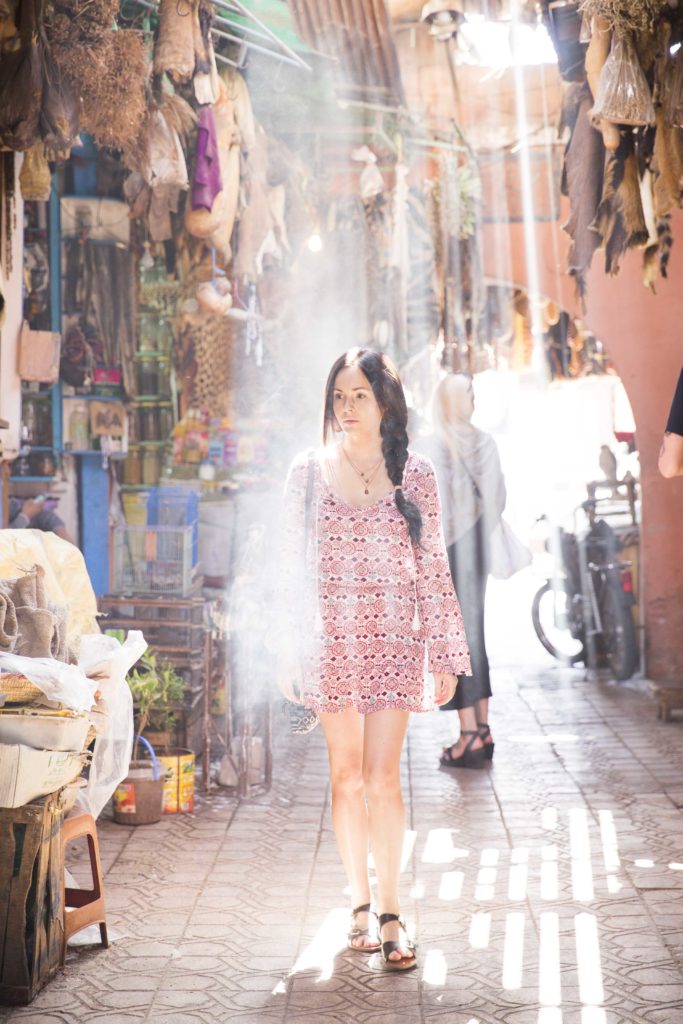
What to wear: Marrakech is a conservative city, and while you won’t be required to cover your hair, dressing modestly (shoulders and knees covered, looser fitting clothing) will draw less attention and is respectful of local custom, especially outside of riads and hotel pools.
Money: Morocco runs largely on cash, particularly in the souks and smaller medina restaurants. Withdraw dirhams from an ATM after you land rather than trying to source them beforehand, and keep a mix of small notes for everyday purchases and haggling.
Staying connected: A local SIM or eSIM is cheap and easy to set up on arrival, and having your own data is genuinely useful for maps and translation apps navigating the medina’s winding, largely unnamed alleyways.
Visa requirements: As of 2026, travellers from the US, UK, Australia, Canada, and the EU can enter Morocco visa-free for stays of up to 90 days. Make sure your passport is valid for at least 6 months beyond your travel dates, since airlines can deny boarding over this even if your passport isn’t technically expired yet.
On solo female safety specifically: Marrakech is a genuinely popular and well-travelled solo female destination, and most visits are entirely uneventful. Sticking to well-lit, populated streets at night, agreeing on a taxi fare (or insisting on the meter) before you get in, and politely declining unofficial “guides” who approach you unprompted in the medina will handle the vast majority of hassle you might otherwise encounter.
Solo activities in Marrakech
I’ve been to Marrakech a handful of times, and there’s always a new corner to discover, a new coffee shop, and I never tire of the souks. These are some of my favourite things to do solo in the city.
Dar El Bahia
This museum is an absolute must-visit, and I’m almost embarrassed to admit it took me three trips to Marrakech before I finally found it. Located inside the medina, it’s also home to one of the best coffee shops in the city, the kind of place you can happily lose an hour or two people-watching. Arrive early in the day, since it does book out.
Bahia Palace
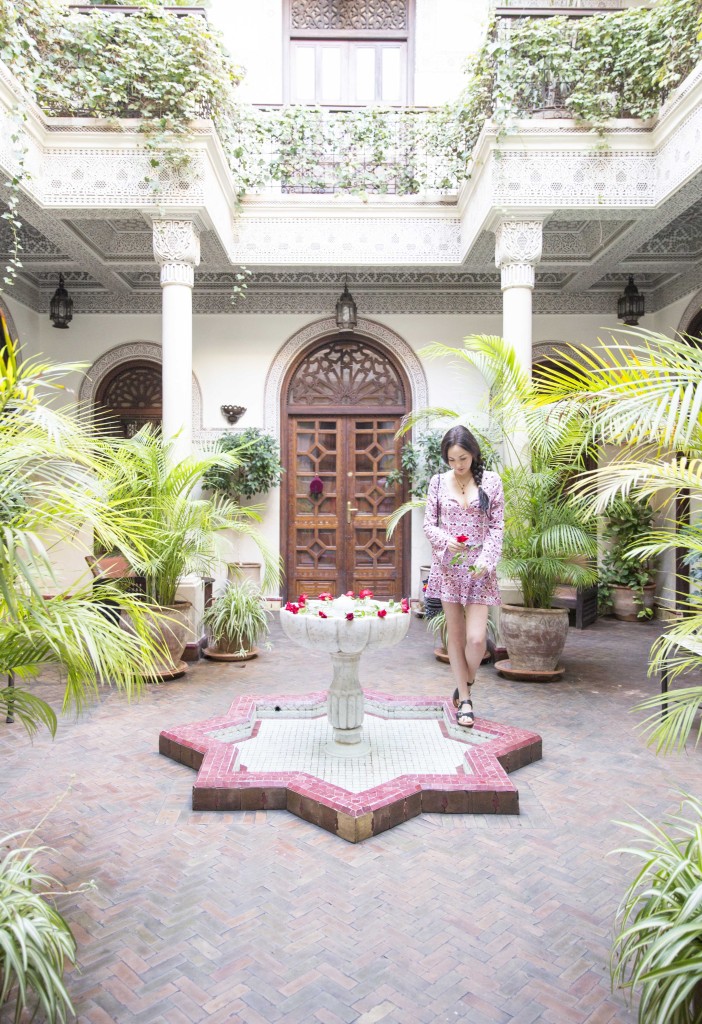
Built in the 19th century, Bahia Palace is a must for first-timers. It was constructed to be the grandest palace of its era, and its name translates to “brilliance.” It’s one of the best places in the city to see Moroccan architecture and craftsmanship up close.
The souks
The souks can feel overwhelming for the first few minutes, but they’re genuinely a delight once you settle in. Regulations around foreigners being hassled by vendors have tightened significantly since my first visit to Morocco, so the worst of the horror stories you may have heard are largely a thing of the past. A polite “no” and continuing to walk is usually enough to deter a vendor who won’t take the hint (unless, of course, you do want to buy). If you are buying, the general rule of thumb is to expect to pay around half of the initial asking price, starting your counter-offer at around a third and working your way up from there.
Jardin Majorelle
This is, without question, one of the most magical corners of Marrakech. Jardin Majorelle is a two-and-a-half-acre garden of genuine tranquillity, tranquil enough that you’ll forget you’re in Marrakech at all. The garden was created by Yves Saint Laurent and his partner Pierre Bergé, and today it’s preserved by the nonprofit Fondation Jardin Majorelle, with an adjacent museum well worth the extra visit.
Dar el Basha
This museum is a must visit whilst in Marrakech and I’m almost embarrassed to say it took my three visits to Marrakech before I discovered it! Located within the medina, Dar el Basha is also home to one of the finest coffee shops in all of Marrakech – the kind of place you could spend hours people watching. Be sure to arrive early in the day, it books out.
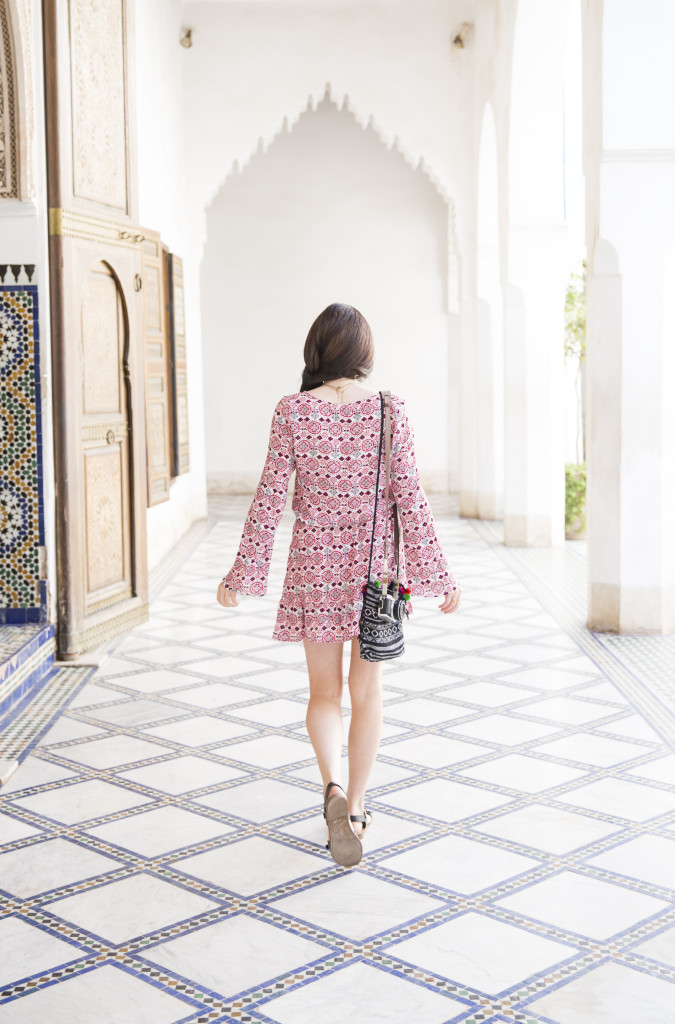
Bahia Palace
Built in the 19th-century, the Bahia Palace is a must visit for first timers in Marrakech. The palace was built to be the greatest palace of its time and if translated, means “brilliance”. This is a great way to see Moroccan architecture up close.
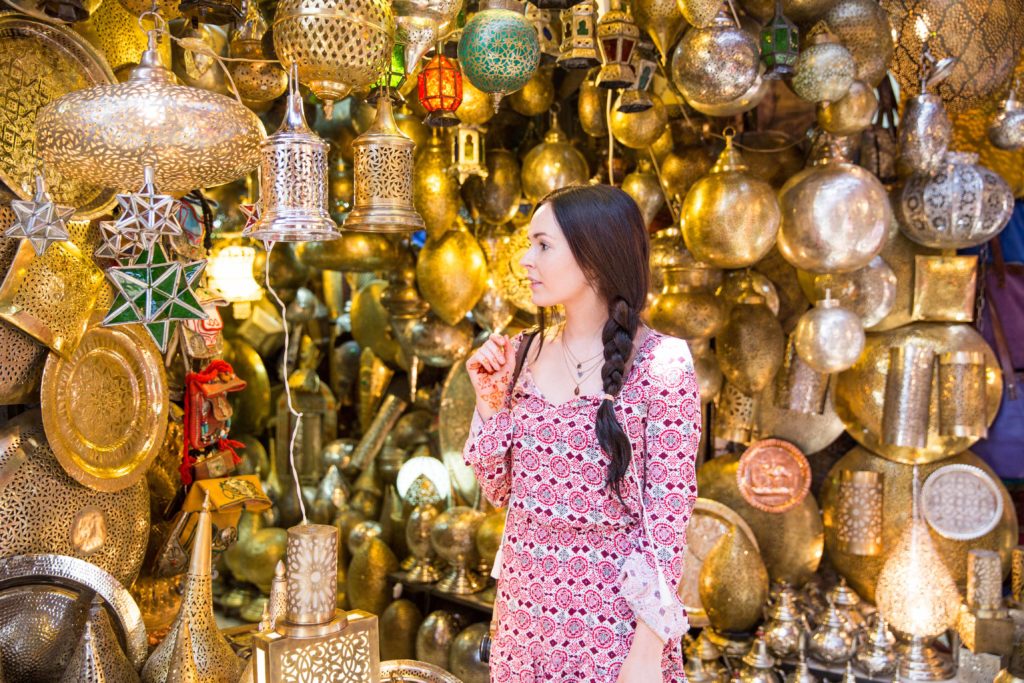
The Souks
The souks in Marrakech might seem overwhelming for the first few minutes, but I promise you they’re a delight to visit. The first time I visited Morocco around six years ago I was completely overwhelmed. Nowadays the laws are stricter on harassing foreigners, so you won’t be plagued by those few horror stories you have heard. The best way to deter a shopkeeper from trying to sell you something is a polite “no” and carry on (unless of course you want to buy!) If you are looking to make a purchase, the general rule of thumb is that you should pay half of the price you are originally offered. The easiest way to arrive there is to offer a third and work your way up to half.
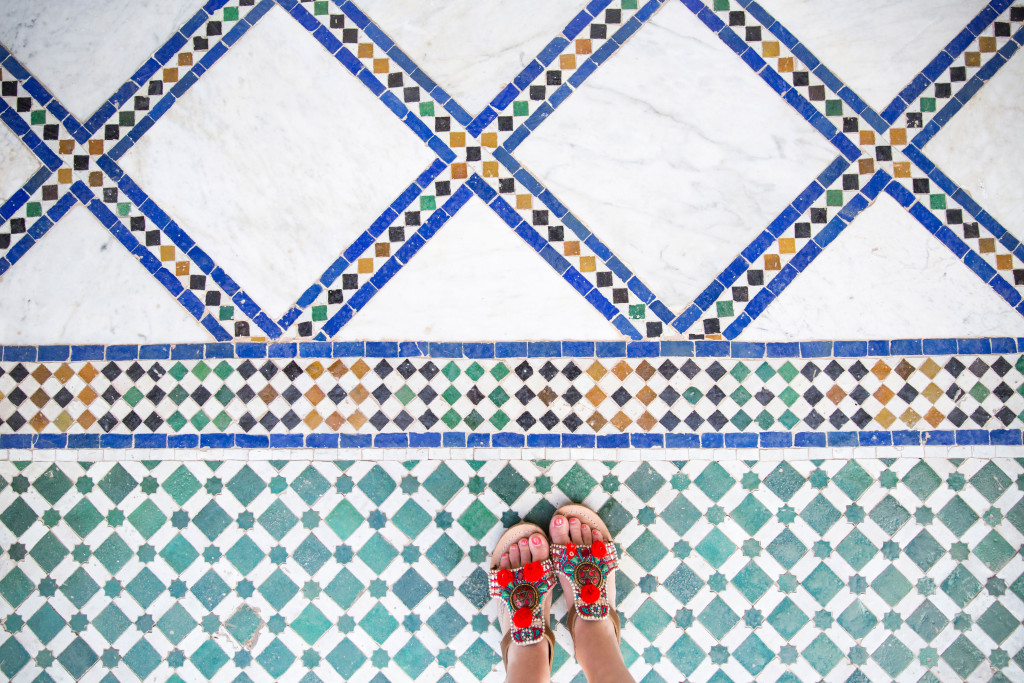
Jardin Majorelle
This is for certain one of the most magical areas in Marrakech. Jardin Majorelle is a two and a half acre garden of tranquility – so tranquil in fact, that you’l forget you’re in Marrakech! The garden is owned by Yves Saint Laurent, which has prompted the adjacent museum (also worth a visit).
FAQ
Is Marrakech safe for solo female travellers? Yes, generally — it’s a well-established solo female travel destination. Standard city precautions apply: agree on taxi fares upfront, dress modestly, and avoid unofficial “guides” in the medina.
Do I need a visa to visit Morocco? Travellers from the US, UK, Australia, Canada, and the EU can enter visa-free for up to 90 days as of 2026. Just make sure your passport has at least 6 months of validity left.
How many days do you need in Marrakech? 3-4 days is enough to cover the medina’s main sights, the souks, and Jardin Majorelle without rushing, with a day trip out to the Atlas Mountains or Ourika Valley if you have longer.
Is it easy to get around Marrakech alone? Yes — the medina is very walkable, taxis are cheap, and a local SIM makes navigating the maze of alleyways far less stressful.
Solo travel must haves

Brooke Saward founded World of Wanderlust as a place to share inspiration from her travels and to inspire others to see our world. She now divides her time between adventures abroad and adventures in the kitchen, with a particular weakness for French pastries.
